Selling Capability.
3 capabilities
Sort, Crop, Write.
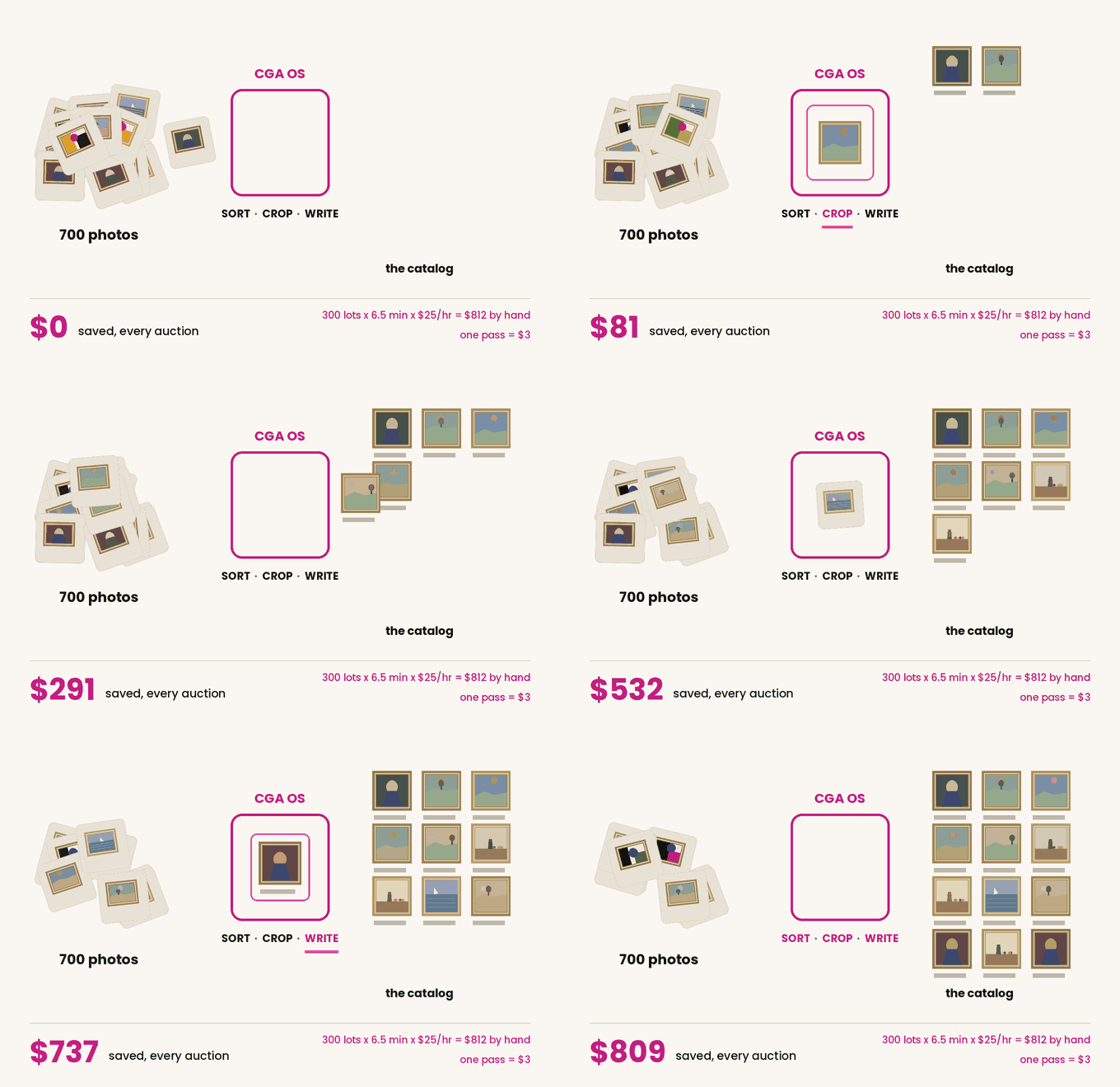
My cousin works for an art auction business. They buy paintings at auctions, estate sales, and antique fairs and flip them through physical and online galleries they own. It's a unique and interesting business. The bummer is, every time they buy more paintings, somebody has to:
- photograph them all
- sort hundreds of pictures
- crop every one
- write a catalog entry for every lot
- list it all for sale on multiple gallery sites
Needless to say, nobody wants to do the sorting, cropping, and writing. Work chores like this are soul crushing.
I built them a system that handles these chores for them. The photos go in, and sorted, cropped, publish-ready listings come out.
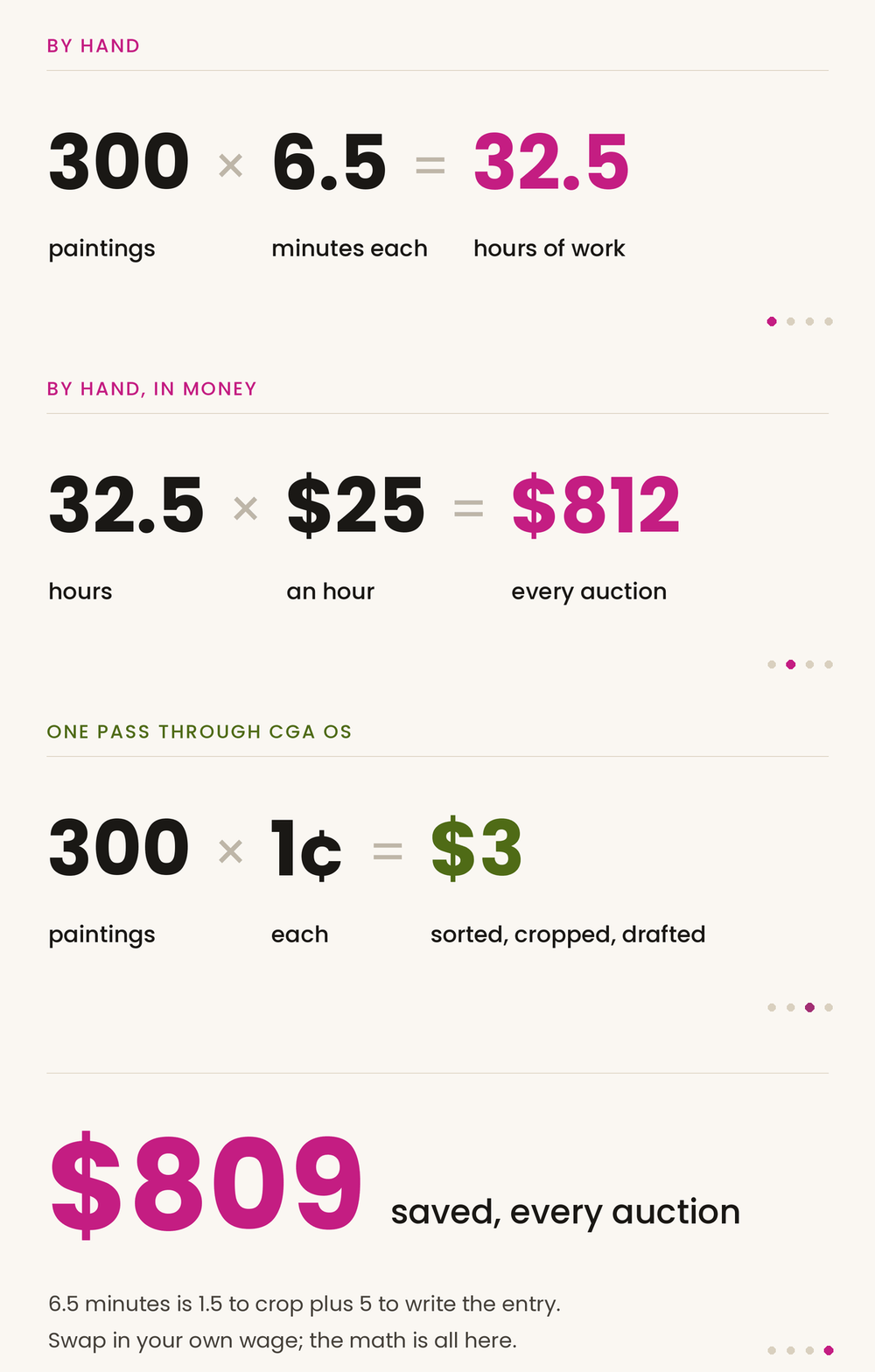
Here's the math. Call it 300 lots in a sale, around 700 photos. At a minute and a half to crop each painting by hand and five minutes to write each catalog entry, that's over 30 hours of work per auction, before a single lot goes up for sale. Cut those assumptions in half and it's still most of a week. The tool runs it for about a penny a painting, and a person reviews the drafts instead of writing them.
The math.
The interesting part is not the cropping. It's what the tool is made of. Reading an image. Cutting a shape out of a photo. Writing in a specific voice. Filling a spreadsheet. None of those capabilities is new on its own. The work was composing them into the shape of this one business's problem.
It's all capability. That is what CGA is built on. Small, standard pieces, composed into the shape of your problem.
CGA OS, the operating system I built to run my studio, can summon any capability a computer has. Reading documents. Seeing images. Writing in a voice. Filling spreadsheets. Browsing, calculating, rendering, publishing. I compose those capabilities into solutions to problems my clients have.
And the system compounds. Every piece I build goes back on the shelf. The auction system was not built from scratch: the part that writes catalog entries already existed, and the part that crops paintings already existed. Composing them took a day.
Every problem I solve makes the next one faster to solve. I keep the systems and ship the outputs.
Skills to Pay the Bills.
3 documents, 1 file
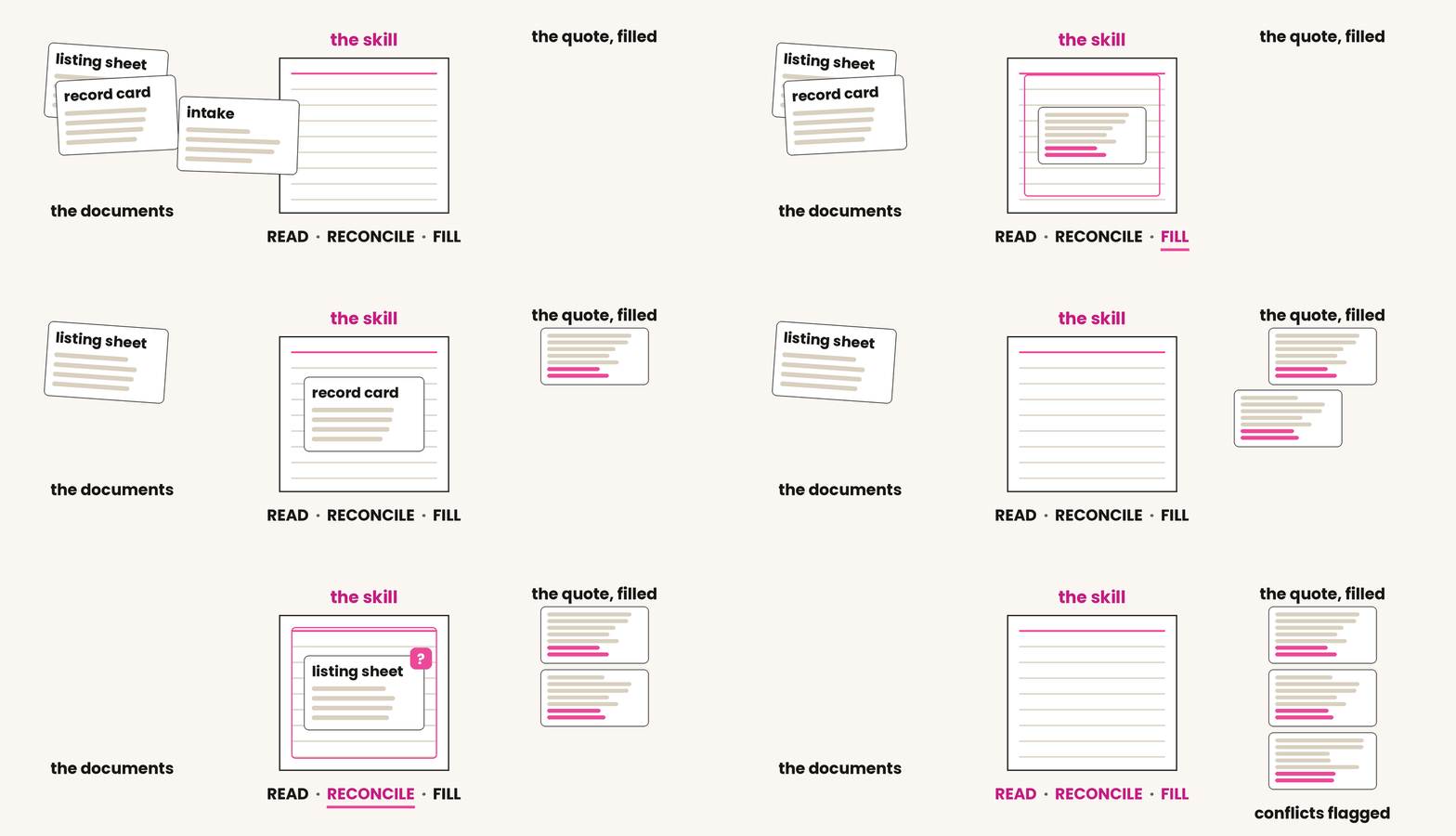
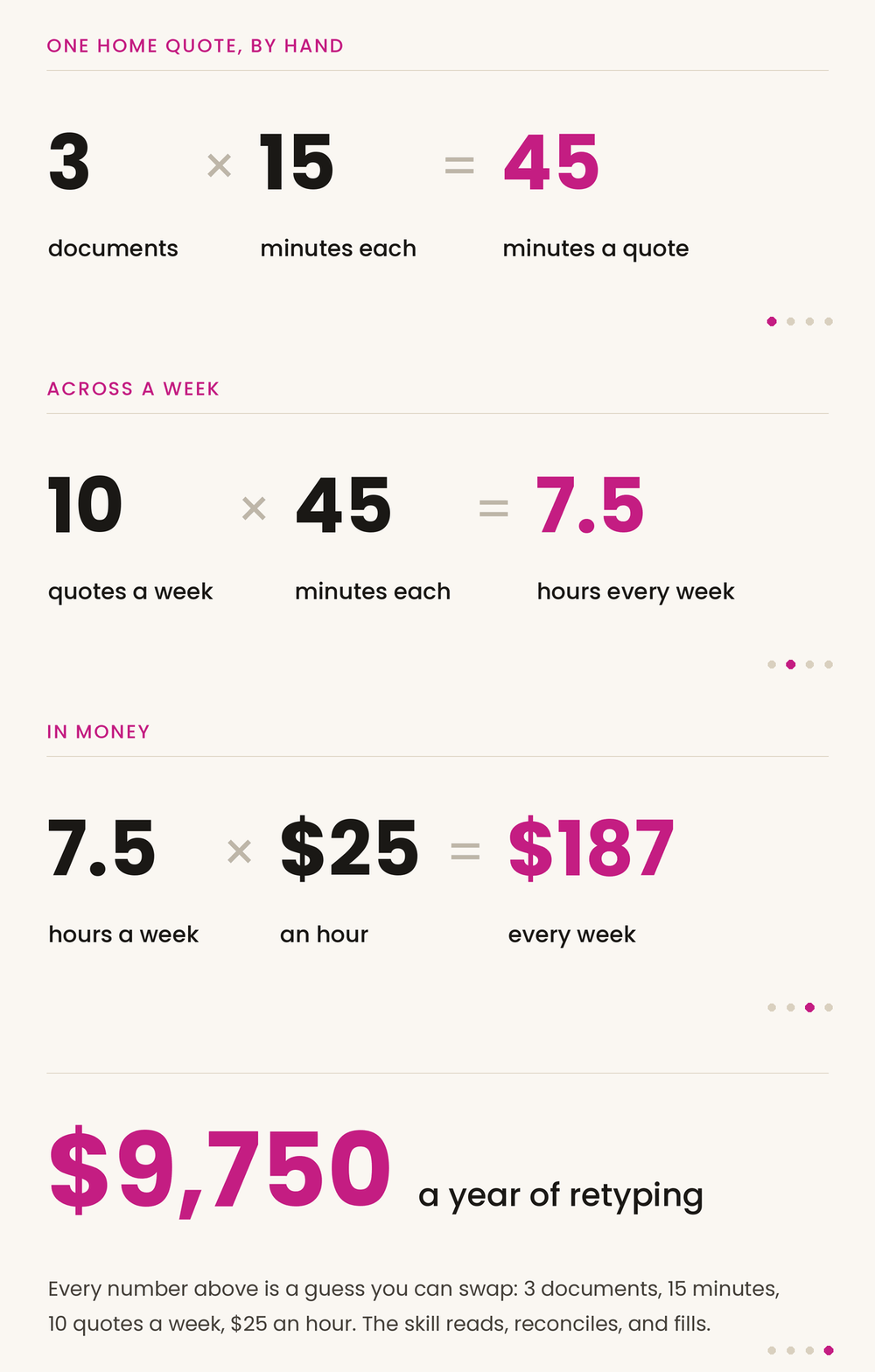
My family's insurance agency needed a solution. Rating a home quote means reading an intake, a town record card, and a listing sheet, resolving everywhere they disagree, and typing the answers into a rating platform with no shortcuts. I went off and developed the solution, and what I delivered was not an app. It was a Claude Skill: a file that teaches the company's own computer how to do the work for them.
The skill reads the documents, flags every conflict for a licensed person to decide instead of guessing, and fills the quote through the same screens a person clicks. On its first real test it caught a mistake a person had missed. The quote said the house sat within ten miles of the coast. The house actually sits more than twenty miles from the water, and that one field can raise the price of every plan a carrier offers.
The math.
It is the same pattern as the auction tool: a real business problem, quantifiable value, and capabilities composed into the shape of the problem. The tool is just what I made this week.
The workflow compounds for years.
AI for VFX.

Omni test · watch with audio
Google launched Omni at the I/O conference in May: a model that edits video by instruction. Swap an object mid-shot, replace a background, change a wardrobe, and the scene stays coherent. The early demos showed people changing objects in real footage cleanly. That work is VFX: compositing, rotoscoping, frame-by-frame cleanup, the slowest and most specialized craft in post. A model that does it from a prompt would move the line on what's possible.
The launch reels always show a model at its best, so I wanted to see how it handles regular footage from my camera roll. I ran the same test I ran on Midjourney 8.1 last issue. I picked ten clips of real family footage and wrote ten prompts, each one adding something impossible to the real scene. My dad is fishing with my son, and a huge fish jumps out of the water. A sledding hill turns into a river of chocolate. Omni was a much bigger pain in the ass than I expected, but I did get some fun outputs.
Omni is not a professional tool yet, but it signals that convincing visual effects are coming from generative AI in a way they haven't before. Expect that industry to get squeezed as this gets better.
All five tests, the prompts that made them, and what worked and what did not are at the full breakdown.
What actually mattered in AI this week.
CGA OS reads 124 AI newsletters a week so we don't have to. Here's the 5% worth your time, with what I think it means.
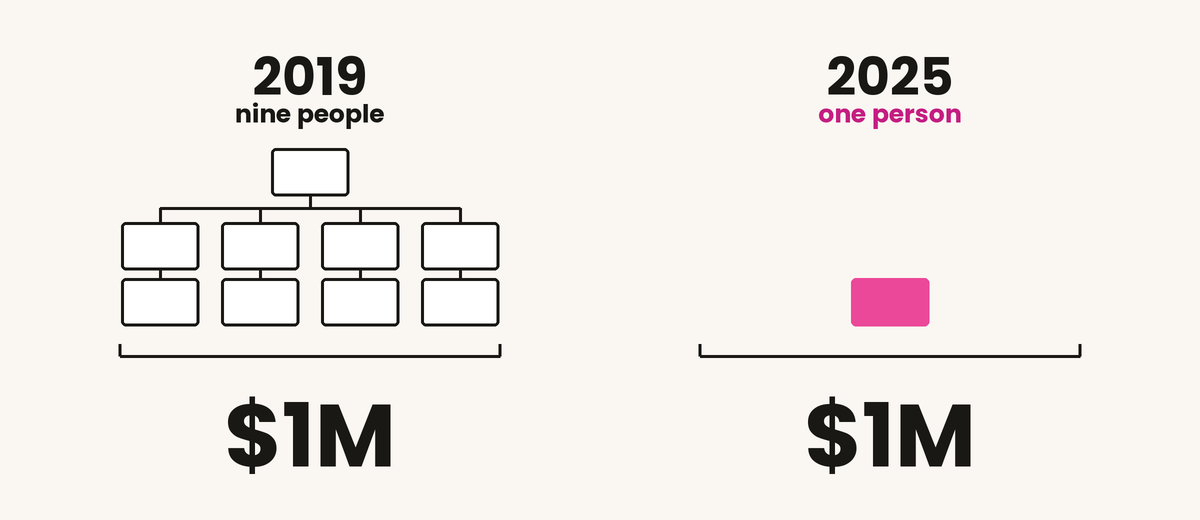
The one-person company stopped being an anecdote this week. Stripe's economics team published the numbers. New businesses started in 2025 hit $1M about three times as often as the 2019 group did. The number of solo operators earning $1M more than doubled in two years. And 63% of the new companies formed on Stripe this quarter were solo founders, the highest share ever. A Mercatus Center economist found solo business applications up 27% in the industries using AI the most, and her line is the one I keep thinking about: "the result isn't necessarily unemployment. It may be independence." The payment processors can see it before the labor statistics can. The org chart is becoming optional. I am one row in that data.
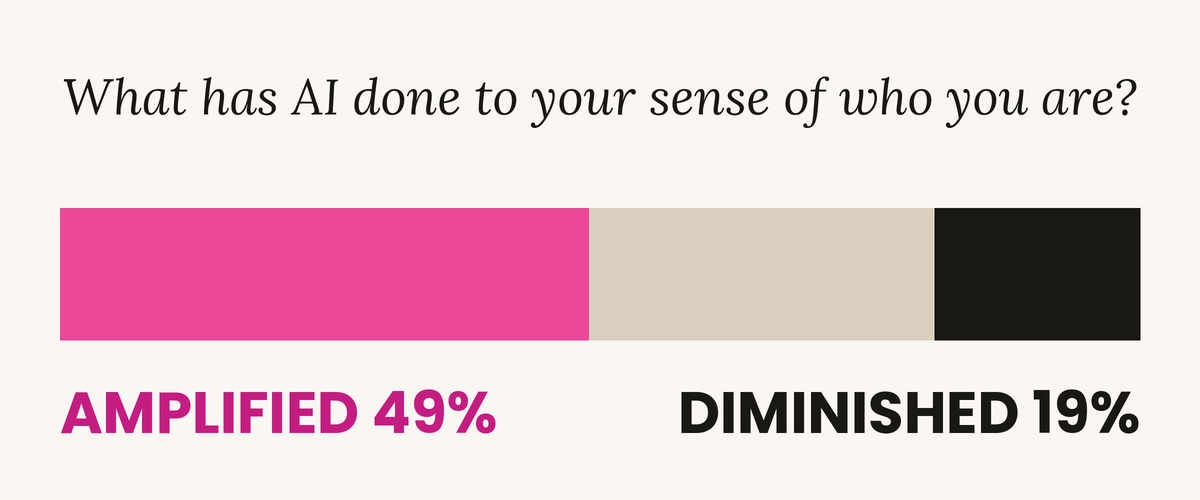
Tech is splitting in two, and not along the line you'd guess. A survey of 5,920 tech workers found burnout jumped from 45% to 56% in a year, and 53% would steer a newcomer away from their own field. But the strongest predictor of how someone feels about their career was not role, level, or company size. It was their answer to what AI has done to their sense of who they are. Half said amplified. A fifth said destabilized or diminished. The line between the two groups is not skill or seniority. It is whether the person decided AI makes them bigger or smaller, and most people decide early, before they have real evidence either way. The warning for companies: when you roll out AI, you think you are buying productivity, but you are also sorting your people into those two groups.
Pay for the smart model exactly once.
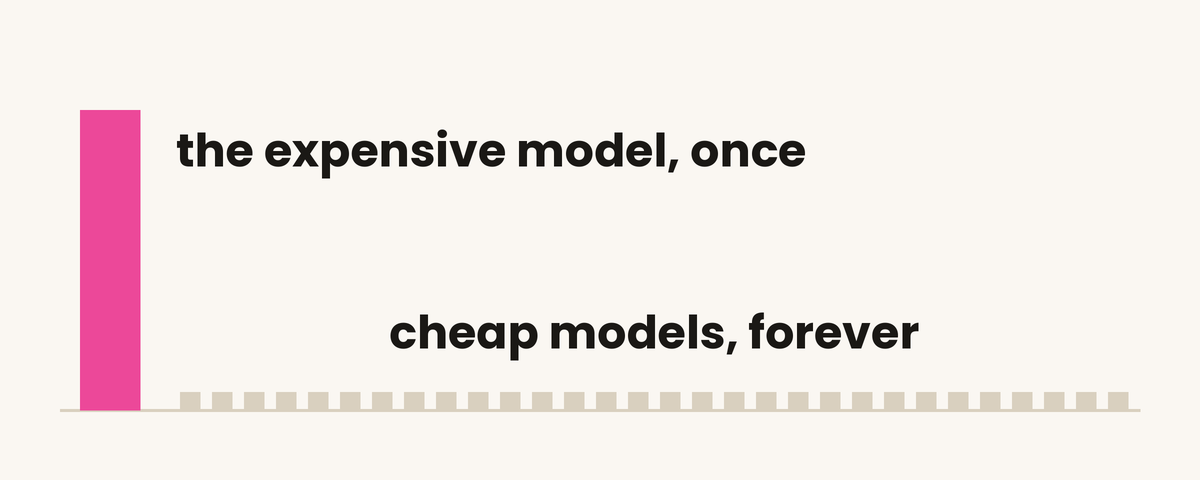
Here is a move worth stealing. When you have a hard job and you can check whether the result is right, give it to the most expensive model you can get. Then ask the model to write down exactly how it did the work. That write-up is a playbook, and from then on the cheap models can follow it. You pay for the intelligence once and keep the procedure forever. The AI Exchange calls it "own the playbook, rent the tech." I read it the same week I sold my first skill file. Same idea: the client buys the playbook, not the model.
Try it this week. Pick one task you do over and over. Run it once with the best model. Have it write down the steps. Then hand the steps to the cheap model and see what happens.
Pass it on
That is the week. Once again, my clients and I have more capabilities than we did last week.
If you run a business with a problem worth solving, or you know someone who does, I would love an introduction. Finding the pain and building the solution that takes it away is the whole job, and it is how I keep flying. And if you are putting AI in front of a team or a stage, that is work I love and I am available for it.
If you know one person who would like this, send it their way. A share is the best fuel you can give me. And if you are reading this on LinkedIn, the full thing lands in your inbox first. The email list is the one place I actually own.

Erich
Founder · CGA Creative